
Long COVID ‘Brain Fog’ Confounds Doctors, but New Research Offers Hope
James C. Jackson, PsyD, a licensed psychologist specializing in neuropsychology and rehabilitation, at Vanderbilt University School of Medicine and author of a new book, Clearing the Fog: From Surviving to Thriving With Long COVID ? A Practical Guide, reports in Medscape July, 2023 : “There’s not a lot of imprecision in the term (brain fog) because it might mean different things to different patients,”
Jackson, who began treating [a patient] in February 2023, said that it makes more sense to call brain fog a brain impairment or an acquired brain injury (ABI) because it doesn’t occur gradually. COVID damages the brain and causes injury. For those with long COVID who were previously in the intensive care unit and may have undergone ventilation, hypoxic brain injury may result from the lack of oxygen to the brain.
An April 2022 study published in the journal Nature found strong evidence that SARS-CoV-2 infection may cause brain-related abnormalities, for example, a reduction in gray matter in certain parts of the brain, including the prefrontal cortex, hypothalamus, and amygdala.
Additionally, white matter, which is found deeper in the brain and is responsible for the exchange of information between different parts of the brain, may also be at risk of damage as a result of the virus, according to a November 2022 study published in the journal SN Comprehensive Clinical Medicine.“
Thus, new data suggest that long COVID is associated with inflammation and both reduced volume of several brain structures and decreases in white matter. These data suggest several novel approaches to therapy that require further study. One is low dose lithium which both increases gray matter volume and white matter integrity. Lithium also has some antiviral properties. This could be combined with anti-inflammatories that could be bought over the counter such as N-acetylcysteine (NAC), acetyl-L-carnitine, and celecoxib.
Note of caution. This is only an untested hypothesis and would need to be discussed with one’s physician before any of these options are considered.
Dr. Post’s Recommendations For Treating Youth with Bipolar Symptoms

Our Editor-in-Chief, Dr. Robert M. Post, shares his personal recommendations for the treatment of children and adolescents with symptoms of bipolar disorder. Remember: Patients and family members must consult a physician about all information conveyed in the BNN. With the exception of lithium, none of the medications or supplements discussed above have been approved by the US Food and Drug Administration for use in children under 10. The findings reported here are in many cases preliminary and cannot be taken as recommendations based on the short summaries provided here. All treatment decisions must be made in conjunction with a patient’s treating physician, who is solely responsible for initiating any treatment discussed in the BNN or elsewhere.
In symptomatic and functionally impaired children, medication is almost always necessary. Many treating psychiatrists would start with an atypical antipsychotic, since there is clear evidence of the efficacy of such treatments. The side effects profile should be considered, as there is a considerable difference in the degree of weight gain associated with different atypical antipsychotics. The largest weight gains occur with olanzapine and clozapine, intermediate gains occur with aripiprazole and quetiapine, and the least gains occur with ziprasidone and lurasidone (and the latter has the advantage of being approved by the US Food and Drug Administration for the treatment of bipolar depression in children who are 10–17 years old). The addition of the diabetes drug metformin to decrease weight gain in people taking atypical antipsychotics is increasingly common.
The addition of an anticonvulsant medication (such as lamotrigine, carbamazepine/oxcarbazepine, or valproate) or the mood stabilizer lithium may be needed, as multiple studies indicate that combination treatment is typically needed in children (as in adults) to achieve a more complete response or remission.
Interestingly, oxcarbazepine was effective in younger but not older children with mania in a previous placebo-controlled study by Karen D. Wagner and colleagues published in the American Journal of Psychiatry in 2006.
Conversely, in a 2015 article in the journal JAACAP, researcher Robert Findling reported that in a placebo-controlled study of lamotrigine, 13–17-year-olds responded better than 10–12-year-olds.
Lithium treatment deserves consideration in children with classical presentations of bipolar disorder and those who have family members who have responded well to lithium treatment.
Lithium has the benefit of improving the white matter abnormalities seen in the brains of patients with early-onset bipolar disorder. Hafeman and colleagues reported in a 2019 article that children with bipolar disorder who were treated with lithium had better long-term results upon follow up than those treated with atypical antipsychotics or anticonvulsants.
There is much less scientific consensus about other adjunctive treatments for young people with additional bipolar symptoms and comorbidities, but this editor often uses several. Vitamin D3 is often low in children with psychiatric illness, and may improve mood and cognition.
The antioxidant N-acetylcysteine (NAC) helps depression, anxiety, and irritability, and is effective at treating habit-related behaviors such as trichotillomania (compulsive hair-pulling), obsessive-compulsive disorder (OCD), and drug use, including specifically reducing marijuana use in adolescents. A typical dose is 500–600 mg capsules, one capsule twice a day for one week, then two capsules in the morning and two in the evening thereafter.
Folate or folic acid may enhance antidepressant effects and those of lithium. In patients who have a particular low-functioning variant of a gene known as MTHFR, L-methylfolate is required instead of folate.
The widely-used supplement acetyl-L-carnitine (ALC) is poorly studied in children, but deserves consideration as a supplemental treatment for patients with histories of childhood adversity. In adults with depression, blood levels of ALC may be low, particularly in those with an early onset of bipolar symptoms and a history of childhood adversity (see a 2018 article by Carla Nasca in the journal PNAS). There is a modicum of evidence that ALC produces antidepressant effects in adults. ALC may also sensitize insulin receptors and normalize blood pressure.
There is increasing evidence of the role of inflammation in depression, mania, post-traumatic stress disorder (PTSD), and schizophrenia. Checking for abnormalities in inflammatory markers in the blood (especially Il-6 and CRP) may point the way to appropriate therapy with anti-inflammatory drugs such as minocycline (100 mg twice a day) or celecoxib (200 mg twice a day) in patients who do not respond fully to first-line medications.
Newly Identified Effects of N-Acetylcysteine
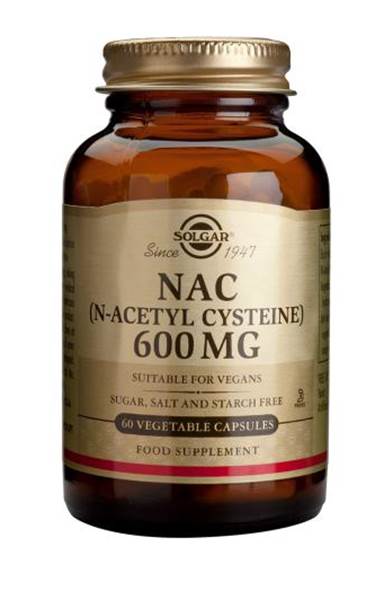 In a talk at the 2019 meeting of the International Society for Bipolar Disorders, researcher Michael Berk, who was responsible for some of the initial findings on the effects of the antioxidant N-acetylcysteine (NAC), summarized some of the newer findings about the treatment.
NAC has been found to be effective in bipolar depression and in the treatment of both positive and negative symptoms of schizophrenia. It also helps in the avoidance of cocaine, alcohol, tobacco, and marijuana. It can reduce habitual behaviors such as gambling, obsessive compulsive disorder (OCD), and trichotillomania (compulsive hair-pulling) and irritability and motor stereotypy (repeated movements) in autism.
A 2016 study by researcher Sudie E. Back and colleagues in the Journal of Clinical Psychiatry found that NAC improved symptoms of post-traumatic stress disorder (PTSD) in veterans who also had depression and substance use disorders at a dosage of 2.4 grams/day.
According to Berk, NAC also reduces the incidence of lithium-related renal failure and reduces mitochrondrial toxicity. One study reported that it improved working memory in patients with schizophrenia.
In his talk, Berk also noted that statins offer an interesting new avenue for treatment. Several studies have suggested statins can improve mood or reduce the likelihood of a depressive recurrence. Angiotension-active drugs (inhibitors) have also been reported to decrease the incidence of depression and to improve cognition.
Supplements for the Treatment of Schizophrenia
At the 2018 meeting of the North Carolina Psychiatric Association, researcher Karen Graham reviewed evidence for adjunctive treatments that may help treat schizophrenia when added to antipsychotic medications.
Graham endorsed omega-3-fatty acids, saying that they may delay the conversion to schizophrenia in young people at high risk for the illness. Data in chronic schizophrenia are more equivocal.
Data on the effects of vitamin D3 in schizophrenia are mixed, but D3 is often low in patients with psychotic disorders, and supplementation with vitamin D3 in the general population has been associated with decreases in cancer and all-cause mortality.
Graham indicated that in three studies vitamin B6 (pyridoxine) decreased tardive dyskinesia, a side effect of antipsychotic medication that is characterized by repetitive or jerky involuntary movements of the face and body. B6 also reduced the severity of akathisia or restless legs, which is comparable to the effects of 40mg/day of the beta blocker drug propranolol. Graham recommended a dose of 300mg/day of B6 that could be increased up to 600mg twice per day. The onset of effects usually begins by week three, and the cost ranges from 25 to 80 cents per day.
The antioxidant supplement N-acetylcysteine (NAC) may also help. Graham described six studies that found NAC had positive effects on negative symptoms (apathy, blunted emotions, etc.) and/or cognition in patients with schizophrenia. The dosage in these studies was usually 2 grams/day for 24 weeks. The cost was 50 cents per day.
Two 8-week trials of L-theanine (an amino acid found in green and black tea) at doses of 400mg/day improved negative symptoms and anxiety in 40 patients with schizophrenia. The rationale for the study was that L-theanine increases inhibitory neurotransmitters, modulates the amino acid 5-HTP and the neurotransmitter dopamine, increases brain-derived neurotrophic factor (BDNF), and may be neuroprotective after a heart attack or a traumatic brain injury. The cost is 40 cents per day.
Graham reported that the supplement ginkgo biloba produced significant improvement in negative symptoms and total symptoms in eight clinical trials that included a total of 1,033 patients with schizophrenia. Doses ranged from 240 to 360 mg/day. These supplements (usually extracted from leaves of the ginkgo tree) have not been found to have many side effects, but they can reportedly increase post-operative bleeding. Gingko biloba supplements cost 20 to 80 cents per day. There is also at least one positive study of ginkgo biloba in tardive dyskinesia.
Three of four studies of cannabidiol in schizophrenia have been positive (at doses of 600, 800, and 1,000 mg/day in studies that lasted four to six weeks). There are now six additional ongoing studies listed on the website clinicaltrials.gov. There is little of this diol component in regular marijuana, and the cost of pure cannabidiol is unfortunately an exorbitant $60 to $100/day.
There is a positive controlled study of the herb ashwagandha in 66 patients with schizophrenia.
Not included in Dr. Graham’s review was the prenatal treatment of women with phosphatidylcholine (900mg/day) followed by supplements in the newborn, which normalized an aspect of sensory gating known as P50 in patients with schizophrenia. Healthy individuals show a reduced response to an auditory cue when it is repeated 50 milliseconds after the initial cue. In people with schizophrenia, response to the repeated cue is not suppressed. This has been suggested by researchers Robert Freedman and Randal G. Ross in a 2015 article in the Shanghai Archives of Psychiatry as a possible primary preventive approach to schizophrenia.
Pregnant women in their second and third trimesters should at least consume foods high in choline, especially if the fetus is at high risk for schizophrenia because of a family history of schizophrenia.
Beef liver is very high in choline, providing 420mg per slice. Other animal products provide significant choline, such as eggs (120 mg/egg), beef (90mg/100g), chicken liver (85mg/liver), fish (85mg/100g), bacon (35mg/strip) or other pork, chicken (67mg/100g). Tofu (36mg/half cup) and cereal (22mg/half cup) are also sources of choline.
Foods High in Choline
| Beef liver | 1 slice | 420mg choline; |
| Egg | 1 egg | 120; |
| Beef | 100 gm | 90; |
| Chicken liver | 1 liver | 85; |
| Fish | 100 gm | 85; |
| Bacon or pork | 2 strips bacon | 70; |
| Chicken | 100 gm | 67; |
| Tofu | 120 ml (0.5 cup) | 36; |
| Cereal | 120 ml (0.5 cup) | 22 |
Antioxidant N-Acetylcysteine Improves Working Memory in Patients with Psychosis
In a 2017 article in the journal Psychological Medicine, researcher Marta Rapado-Castro and colleagues reported that among 58 patients with bipolar disorder or schizophrenia and symptoms of psychosis, those who took two grams per day of the antioxidant n-acetylcysteine (NAC) showed improvements in working memory after six months compared to those who took placebo over the same study period.
Antipsychotic medications can typically reduce psychotic symptoms such as delusions or hallucinations, but cognitive symptoms such as problems with learning, memory, or information processing may remain. NAC, which is sold over-the-counter as a nutritional supplement, seemed to improve these symptoms.
The researchers suggest that larger studies of NAC are needed, particularly to determine whether giving NAC to patients during their first episode of psychosis could prevent cognitive decline from occurring at all during the course of their illness.
NAC has been found to have a range of benefits, including reducing substance abuse and interfering with habit-based behaviors such as compulsive hair-pulling, obsessive-compulsive disorder, and gambling.
Researcher Michael Berk, a co-author of the study, reported in the journal Biological Psychiatry in 2008 that NAC could also improve depressive symptoms in bipolar disorder and negative symptoms in schizophrenia.
Editor’s Note: Since cognitive deficits are common in both schizophrenia and bipolar disorder, using NAC in addition to antipsychotic medications could be a useful tool to address these types of symptoms.
Successful Trial of N-Acetylcysteine for Veterans with PTSD and Substance Abuse
 The antioxidant N-acetylcysteine (NAC) can improve a number of habit-related conditions, such as substance use disorders, gambling, and compulsive hair-pulling. It also aids in the treatment of depression and obsessive-compulsive disorder (OCD). A 2016 study by Susie E. Back and colleagues in the Journal of Clinical Psychiatry found that NAC can also improve symptoms of post-traumatic stress disorder (PTSD) in veterans who also had substance use disorders.
In the pilot study of 35 veterans, participants were randomized to receive an 8-week course of NAC (2,400 mg/day) or placebo, plus cognitive-behavioral therapy targeting their substance use disorder. PTSD and substance use disorders have some overlapping neurobiological features, such as impaired prefrontal cortex regulation of basal ganglia circuitry.
At the end of the 8-week trial, those veterans who received NAC showed improvement in PTSD symptoms, substance cravings, and depression compared to those who received placebo. Substance use was similar and low among both groups. Side effects were minimal.
While these results were preliminary, they suggest that NAC could treat both PTSD and substance use disorders, which often occur together. Larger studies are expected to follow.
Editor’s Note: These preliminary data add to the evidence that NAC has remarkably wide utility in addictions (cocaine, alcohol, nicotine, and marijuana), habits (including OCD, trichotillomania/hair-pulling, nail biting, skin-picking, and cutting), depression and anxiety in bipolar disorder and negative symptoms in schizophrenia.
Meta-Analysis Shows Anti-Inflammatory Treatments Improve Bipolar Depression
 It has been clear for some time that depression and inflammation are linked. This has led researchers to explore a variety of anti-inflammatory agents to treat depression. A meta-analysis of studies examining anti-inflammatory treatments for bipolar depression was published in the journal Bipolar Disorders in 2016.
Researcher Joshua D. Rosenblat and colleagues identified eight randomized controlled trials that met their criteria for anti-inflammatory treatments of bipolar disorder. These treatments included nonsteroidal anti-inflammatory drugs (NSAIDs such as ibuprofen and aspirin), omega-3 fatty acids, the antioxidant N-acetylcysteine, and pioglitazone (used to treat diabetes). Overall, the anti-inflammatory treatments had a moderate and statistically significant antidepressant effects. No serious side effects were reported, and the anti-inflammatory treatments did not cause a switch into mania in any of the participants.
The diversity of the anti-inflammatory treatments reviewed in this meta-analysis limit the extent to which it can be interpreted, but it is clear that more research on anti-inflammatory treatments for bipolar depression is needed. An open question is whether patients with particularly elevated levels of inflammatory markers in their blood would respond better to these anti-inflammatory treatments.
Certain ‘Nutraceuticals’ Aid Depression Treatment
A systematic review of research on the value of pharmaceutical-grade nutritional supplements, or ‘nutraceuticals,’ in depression treatment has found that several do indeed improve depression symptoms.
The 2016 review by Jerome Sarris and colleagues in the American Journal of Psychiatry found that the following nutraceuticals primarily produced positive results compared to placebo: omega-3 fatty acids (primarily EPA or ethyl-EPA); vitamin D; l-methylfolate (a more potent form of folic acid); and S-adenosyl methionine or SAMe, a beneficial compound created from toxic homocysteine with the help of folate.
Editor’s Note: Most of these compounds can also be useful in bipolar depression. Omega-3 fatty acids and vitamin D are helpful to many patients. L-methylfolate is particularly helpful to the 30% of the population with a MTHFR deficiency that interferes with the ability of folate to break down homocysteine. SAMe is an exception—while it is effective in unipolar depression, it may cause switching into mania in patients with bipolar disorder.
The researchers identified a few additional nutraceuticals that each had one study supporting their use—creatine, sometimes used by weightlifters to provide extra energy to muscles; folinic acid, which can protect bone marrow and other cells during chemotherapy; and a combination of amino acids.
Results from studies that compared other compounds to placebo were mixed. Those included studies of zinc, folic acid, vitamin C, and the amino acid tryptophan. A study of inositol, a compound found in plants that is not normally digestible, had nonsignificant results.
No serious side effects were observed in any of the studies of nutraceuticals, though some caused minor digestive disturbances.
Editor’s Note: Another beneficial nutraceutical that did not appear in the review article is N-acetylcysteine. In 6- to 8-week studies, NAC improved depression and anxiety compared to placebo. It also improved bipolar depression and reduced many habits and additions in non-bipolar patients. These include cocaine and gambling addition, alcohol and nicotine use, trichotillomania (compulsive hair-pulling) and obsessive compulsive disorder (OCD).
NAC Reduces Alcohol Cravings, If Not Use
The antioxidant N-acetylcysteine (NAC) has been found to reduce many types of habitual behavior, from gambling to drug use to compulsive hair-pulling. A recent study by researcher Gihyun Yoon and colleagues, which was presented at a 2015 scientific meeting, found that while NAC and placebo reduced days of heavy drinking by about the same rates, NAC significantly reduced alcohol cravings and quality of life compared to placebo among participants with alcohol dependence.
In the 8-week study, 44 participants aged 18–65 received either 3600mg/day of NAC or a placebo. This dose of NAC was higher than the 600mg–2400mg doses that have typically been used in research settings, and there were few side effects, confirming that NAC is a safe treatment.
The authors are not sure how NAC produces this effect, but it may be by regulating the neurotransmitter glutamate.
Medications that Regulate Glutamate Transporters Can Reduce Cocaine Craving
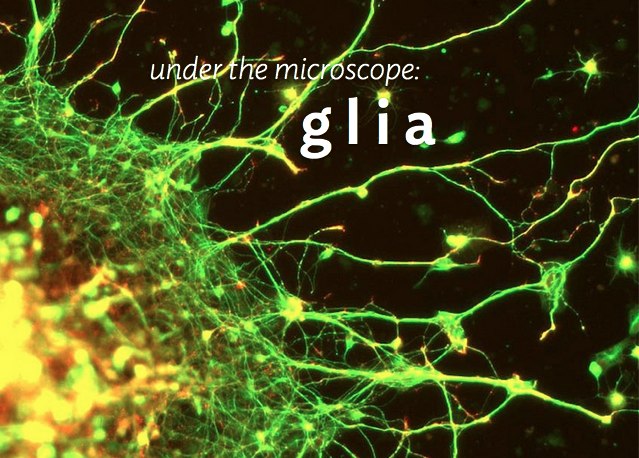
Glia are brain cells that surround neurons and synapses, protecting and insulating them. Chronic cocaine use and withdrawal changes the way certain glial cells, called astrocytes, interact with neurons. In particular, chronic cocaine use and withdrawal can shrink astrocytes and cause them to pull away from neurons. Cocaine use and withdrawal also interfere with the way the neurotransmitter glutamate is cleared from synapses and transported into astrocytes.
New research shows that certain medications that regulate and increase the movement of glutamate from the synapse into glial cells can reduce cravings for cocaine.
In studies of rats chronically exposed to cocaine and then denied access to it, treatment with these glutamate-targeting medications reduces the rats’ cocaine-seeking behaviors. The medications include N-acetylcysteine (NAC), an antioxidant that can reduce habitual behaviors, including addictive behaviors; riluzole, a treatment for amyotrophic lateral sclerosis (ALS), also known as Lou Gehrig’s disease; the antibiotic ceftriaxone; and propentofylline, which has been explored as a possible treatment for dementia and stroke.
